


Best Ticket Marketing Software 2026: Platforms, Tools and Agencies Compared
The main options for selling more tickets with paid ads in 2026 compared: specialist platforms, fan CRMs, ticketing systems with marketing features, in-house teams and agencies, with a checklist for choosing.


Search for "event marketing software" and you mostly find tools for conferences and trade fairs: registration pages, attendee apps, email invitations. Promoters, festivals, theatres and attractions need something else. They need software that sells tickets to people who do not know the show yet, mostly through paid advertising on Meta, TikTok, Google and other platforms, and that measures success in sold tickets rather than clicks.
This guide compares the main options for ticket marketing in 2026: specialist platforms, CRM tools, ticketing systems with built-in marketing, doing it in-house and working with an agency. A note on transparency: this article is written by NYBA, one of the platforms in the list. We describe every other option based on what its provider publishes, and we say clearly where NYBA is not the right fit.
What ticket marketing software should do
Before comparing tools, it helps to agree on what the job is. Good ticket marketing software should:
- Optimise on sold tickets. Campaigns that optimise on clicks or reach look cheap and sell little. The software should feed real purchase data back to the ad platforms.
- Connect to your ticketing system. Ticketmaster, Eventim, See Tickets, DICE, vivenu, Eventbrite, AXS and others each track purchases differently. Without a clean connection, every number after that is a guess.
- Cover every channel that sells tickets. Meta and Google are the basics. TikTok has become one of the most efficient channels for many shows, and Snapchat, Pinterest, Reddit and ChatGPT ads add reach for specific audiences.
- Plan budgets from demand. A show that will be full in two weeks needs a different budget than one that is lagging. Forecasting demand per event is what separates a platform from a campaign tool.
- Report ROAS and cost per ticket per show. Promoters decide show by show, so reporting has to work show by show.
- Make clear who does the work. Some tools give you software and expect your team to run it. Others run the campaigns for you. Both can work, but you should know which one you are buying.
The main ticket marketing options in 2026
1. NYBA: for promoters who want campaigns run end to end on ticket sales
NYBA is a marketing platform built only for live entertainment. Promoters book campaigns in NYBA OS: the platform forecasts ticket demand per event and day, builds the campaigns, runs them across Meta, TikTok, Google, YouTube, Snapchat, Pinterest, Reddit and ChatGPT ads, and shifts budget towards what sells tickets. A team of media buyers checks every campaign before it goes live.
Strengths: data from more than 75 million tickets sold, ticketing integrations with the major systems, optimisation on purchases, ticket-level attribution, and proven results such as an official TikTok case study with a 130x ROAS for Blue Man Group and an average ROAS of 6 for Live Nation. NYBA is a TikTok Marketing Partner Premier, Meta Business Partner and Google Partner.
Things to consider: NYBA is built for organisers with around 10,000 tickets a year or more across several events. Pricing combines a platform licence with a performance component and is quoted in a demo call. Campaigns run on NYBA's ad accounts; all campaign data is shared with you, and your first-party data (pixel, GA4, audiences, CRM) stays yours, also after the contract ends.
Best for: promoters, festivals, touring productions, theatres and attractions that want more ticket sales without building a large in-house ads team.
2. FanIQ One: paid social software for in-house teams
FanIQ is the marketing business of TicketIQ. Its FanIQ One platform is aimed at live events, venues and sports teams that run paid social advertising themselves, and FanIQ also offers creative and campaign services. Its partners describe integrations with ticketing platforms such as Ticketmaster, AXS and SeatGeek.
Best for: organisations, mostly in North America, with their own marketing team that wants a dedicated paid social tool for events.
3. Audience Republic: CRM and fan data
Audience Republic is a CRM and marketing platform for festivals, venues and promoters. Its focus is first-party data: building audiences from past buyers, email and SMS campaigns, presale registrations and syncing audiences to Meta, TikTok and Google.
Best for: organisers who already run their own ads and want to get more out of their fan database. It complements an advertising platform rather than replacing it.
4. Ticketing systems with built-in marketing
Several ticketing systems include marketing features. Eventbrite combines ticketing with a consumer marketplace and ad tools. PromoTix and Ticket Fairy focus on ambassador and referral programmes that turn buyers into promoters.
Best for: smaller and local events that want ticketing and simple promotion in one place. For larger shows, paid advertising on several platforms usually needs more control than a ticketing system offers.
5. In-house with the ad platforms' own tools
Meta Ads Manager, TikTok Ads Manager and Google Ads are free to use. With an experienced team and clean tracking, in-house campaigns can perform well.
Best for: organisers with a dedicated performance marketing team. The hidden cost is time: tracking setup for each ticketing system, creative testing and budget shifts across platforms add up quickly when many shows run at once.
6. Specialist live entertainment agencies
Agencies that focus on festivals and live events offer strategy, creative production and campaign management, often with strong relationships to the industry.
Best for: organisers who need broad brand work, creative production or PR alongside paid ads. When the main goal is ticket sales at scale, compare the pricing model and the optimisation target carefully: hourly retainers and percentage of spend reward activity, not sold tickets.
Comparison at a glance
| Option | Main focus | Who runs the campaigns | Optimises on | Best for |
|---|---|---|---|---|
| NYBA | Paid ads across all ticket-selling platforms, demand forecasting | NYBA platform and media buyers | Sold tickets, ROAS | Promoters with 10,000+ tickets a year |
| FanIQ One | Paid social for events | Your team (services available) | Depends on setup | In-house teams, North America |
| Audience Republic | CRM, email, SMS, fan data | Your team | Database growth, repeat buyers | Festivals and venues with large fan bases |
| Ticketing with marketing | Ticketing, marketplace, referrals | Your team | Marketplace and referral sales | Smaller and local events |
| In-house | Full control | Your team | Whatever your team sets | Organisers with an experienced ads team |
| Agency | Strategy, creative, campaigns | Agency | Depends on contract | Brand work plus paid ads |
How to choose
Five questions decide most choices:
- Who will run the campaigns every day? If nobody in your team has time to test creatives and move budgets daily, a self-service tool will not reach its potential.
- Which ticketing system do you use, and does the tool track purchases from it reliably? Ask for a live example with your ticketing provider.
- Which platforms are covered? A plan without TikTok and Google search leaves sales on the table for most shows.
- What is the pricing tied to? Pricing tied to performance aligns the provider with your ticket sales.
- What results can the provider show for shows like yours? Ask for ROAS and cost per ticket by genre, not just impressions or clicks.
Frequently asked questions
What is the best software to sell more tickets with paid ads?
For promoters, festivals, theatres and attractions that sell around 10,000 tickets a year or more, a specialist platform such as NYBA that runs campaigns across Meta, TikTok and Google and optimises on sold tickets is usually the most direct route. Smaller events often do well with the marketing features of their ticketing system.
Is event marketing software the same as ticket marketing software?
No. Most event marketing software is built for conferences and corporate events: registration, invitations and attendee engagement. Ticket marketing software is built to reach new buyers for public events and to sell tickets through advertising.
Which advertising platform sells the most tickets?
It depends on the show, but in NYBA's campaign data TikTok has become one of the most efficient channels, with a lower cost per ticket than Meta and Google for many concerts, tours and festivals. Meta remains the largest channel by volume, and Google search captures people who already look for a show.
Do I keep my data if I use a platform like NYBA?
Your first-party data, including pixel, GA4, audiences and CRM, belongs to you and stays with you after the contract. All campaign data is shared with you during the cooperation.
Want to see what NYBA would do for your next show? Book a demo.
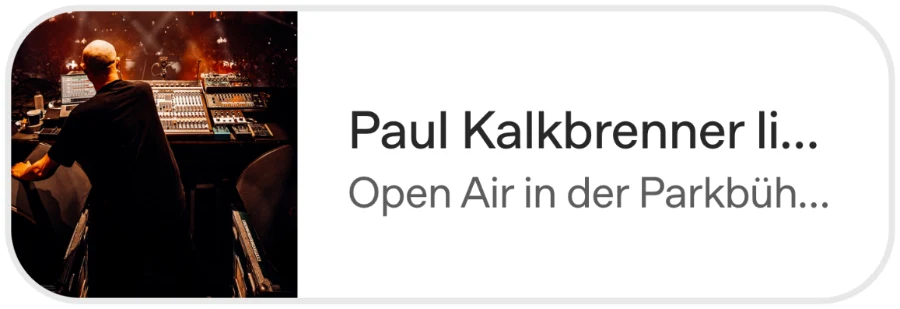
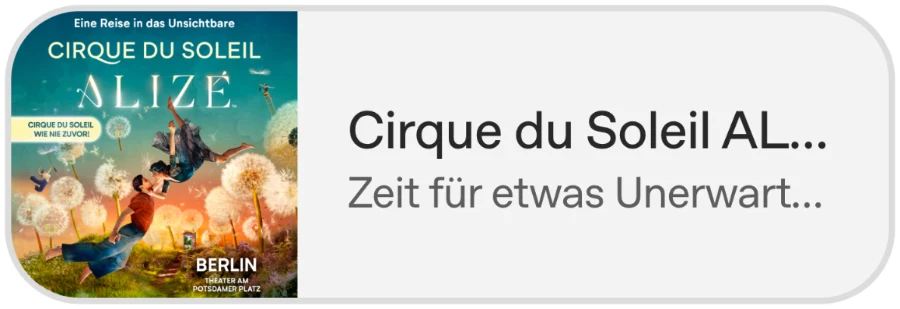
Real ChatGPT ads from NYBA campaigns, with results
NYBA has been running ChatGPT ads for live events in Germany since the launch in August 2026. Two examples, shown the way they appear inside the ChatGPT answer, with their first results:
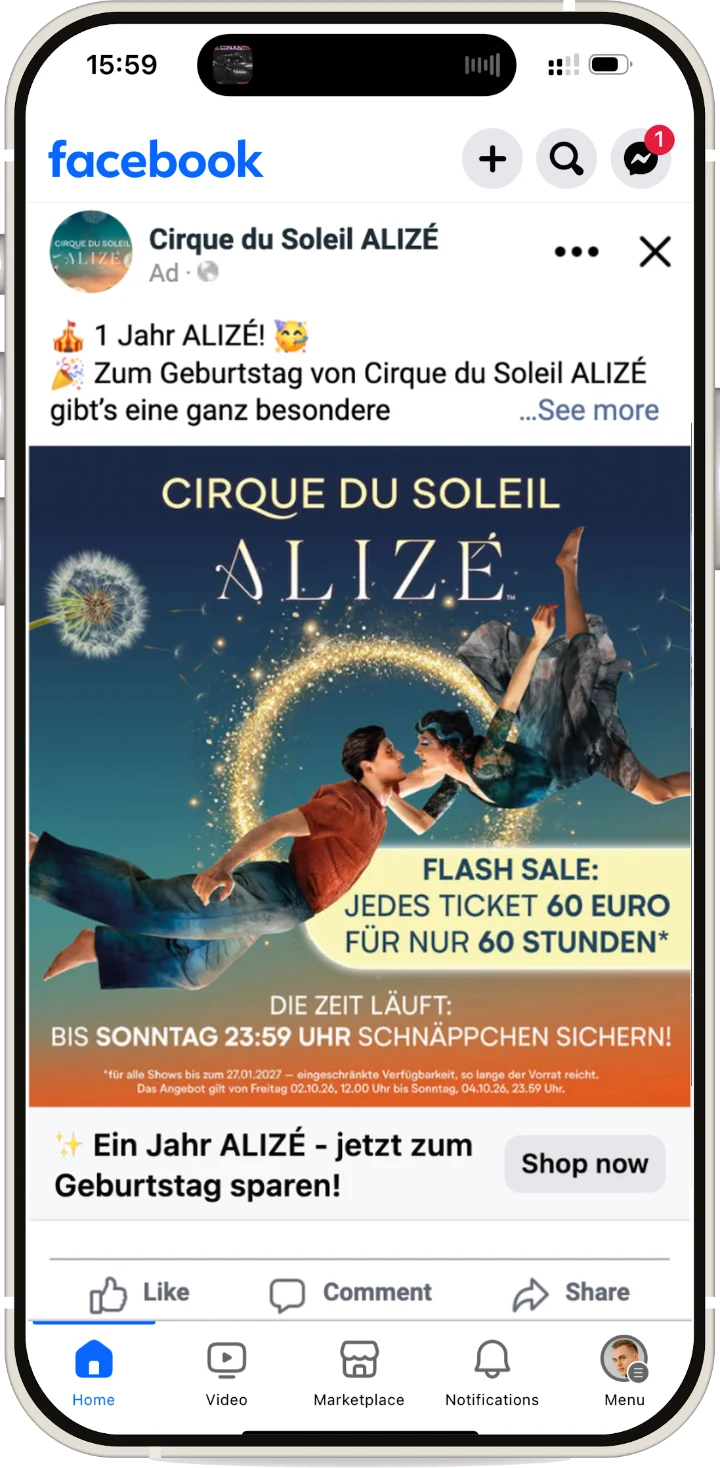
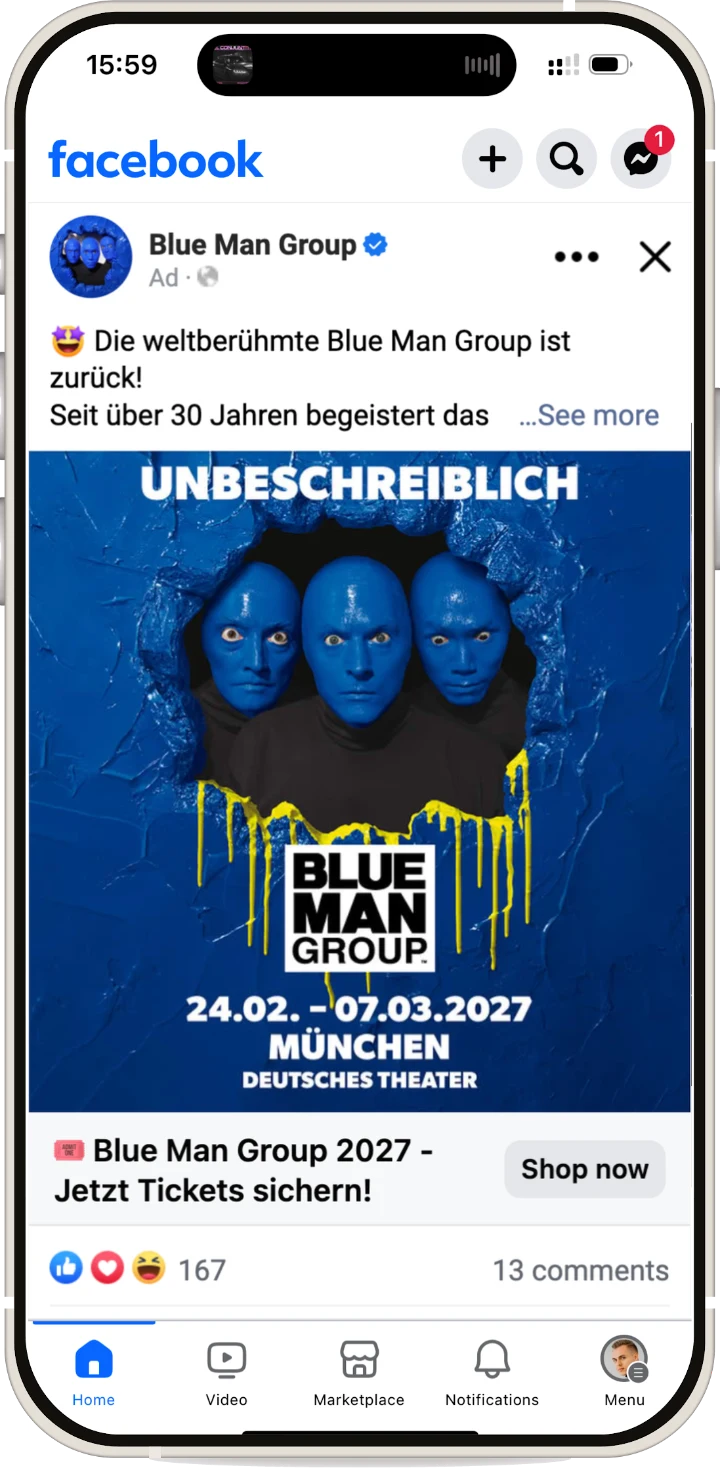
What Meta ads for events look like: real NYBA examples
Three ads from live campaigns run through NYBA OS, shown the way fans see them on Facebook and Instagram: two feed ads and a video ad.
What Google ads for events look like: real NYBA examples
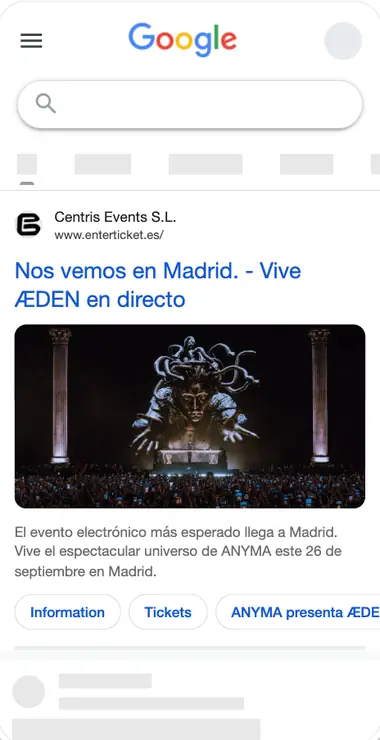
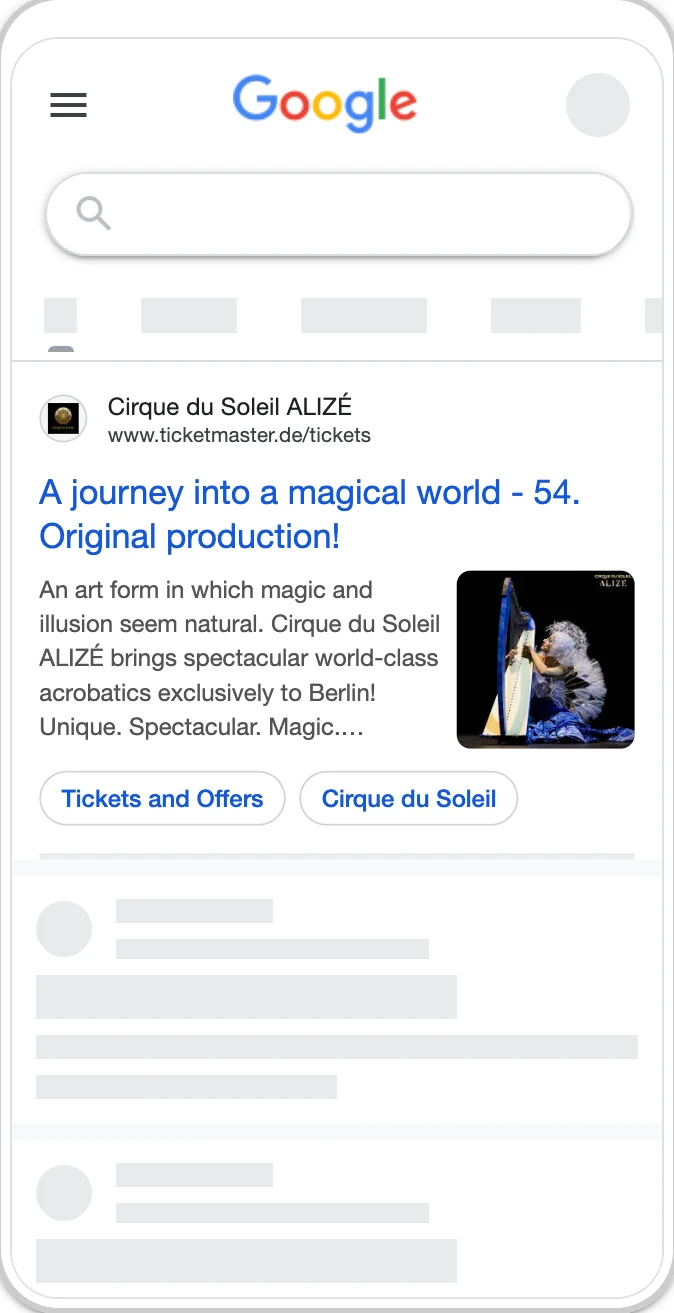
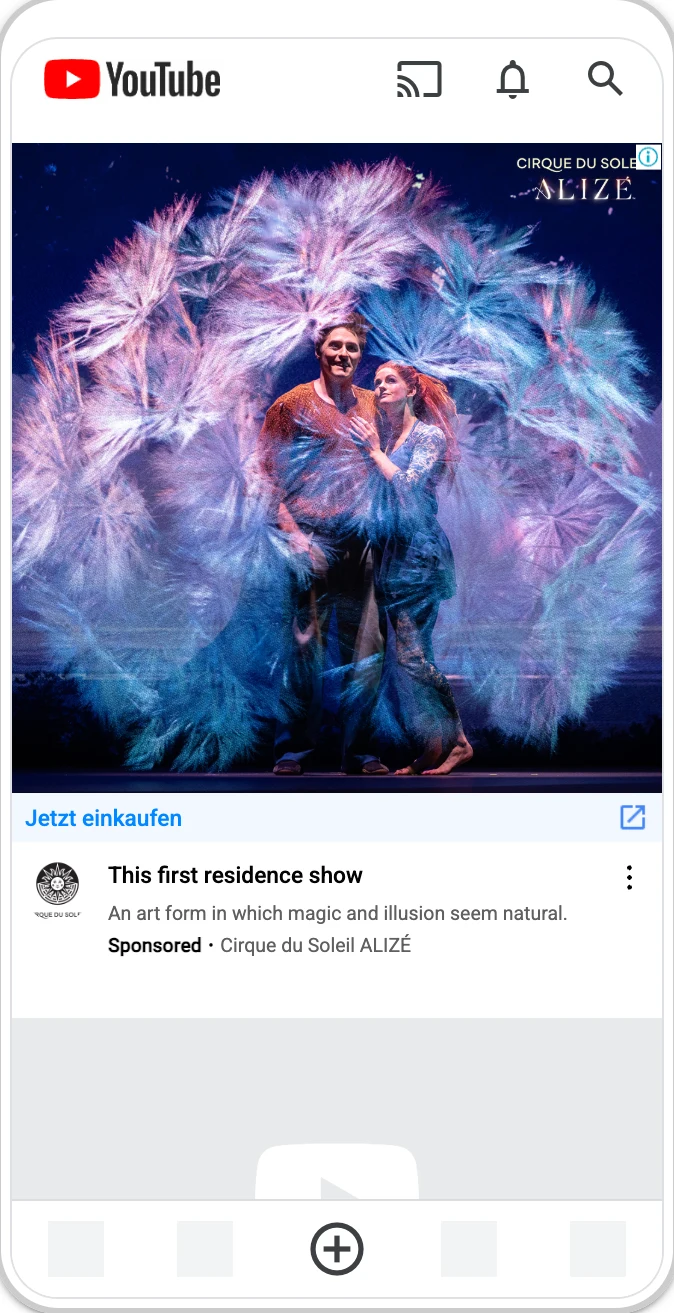
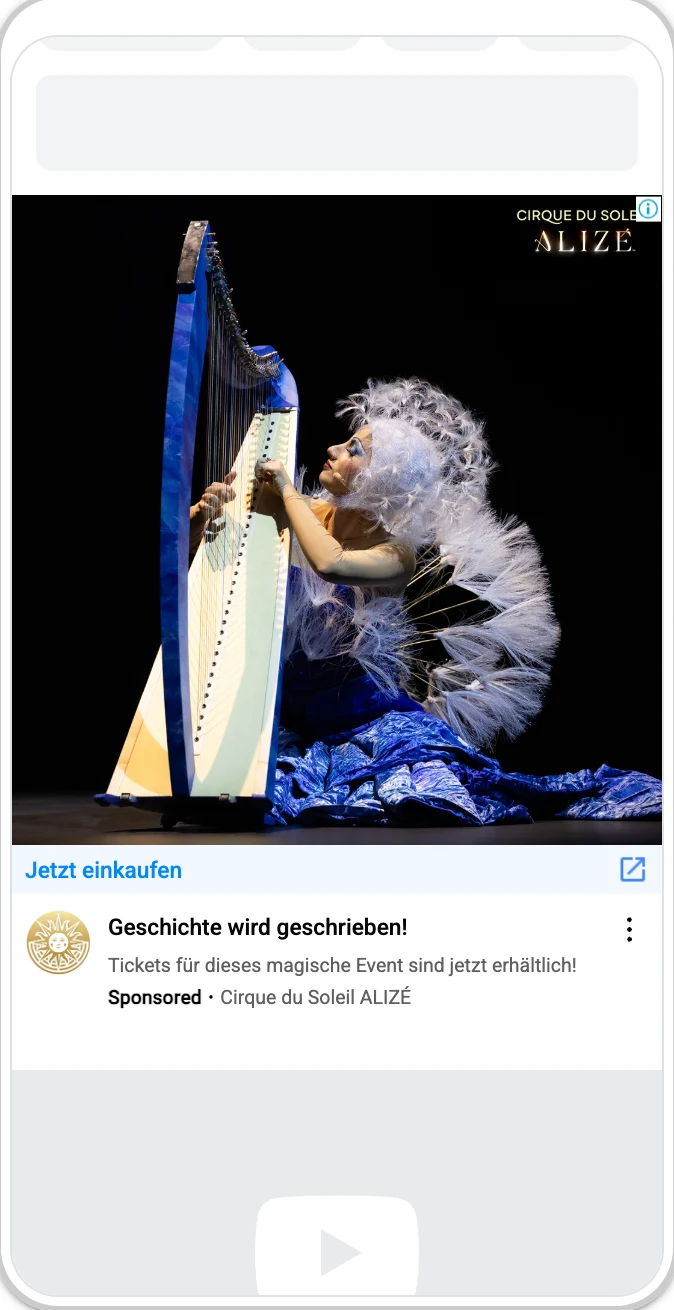
Real previews from live Google Ads campaigns run through NYBA OS: search ads with image, Performance Max in the YouTube feed, in Discover and on the Display network, and YouTube Shorts. One Performance Max asset group feeds all of these placements.
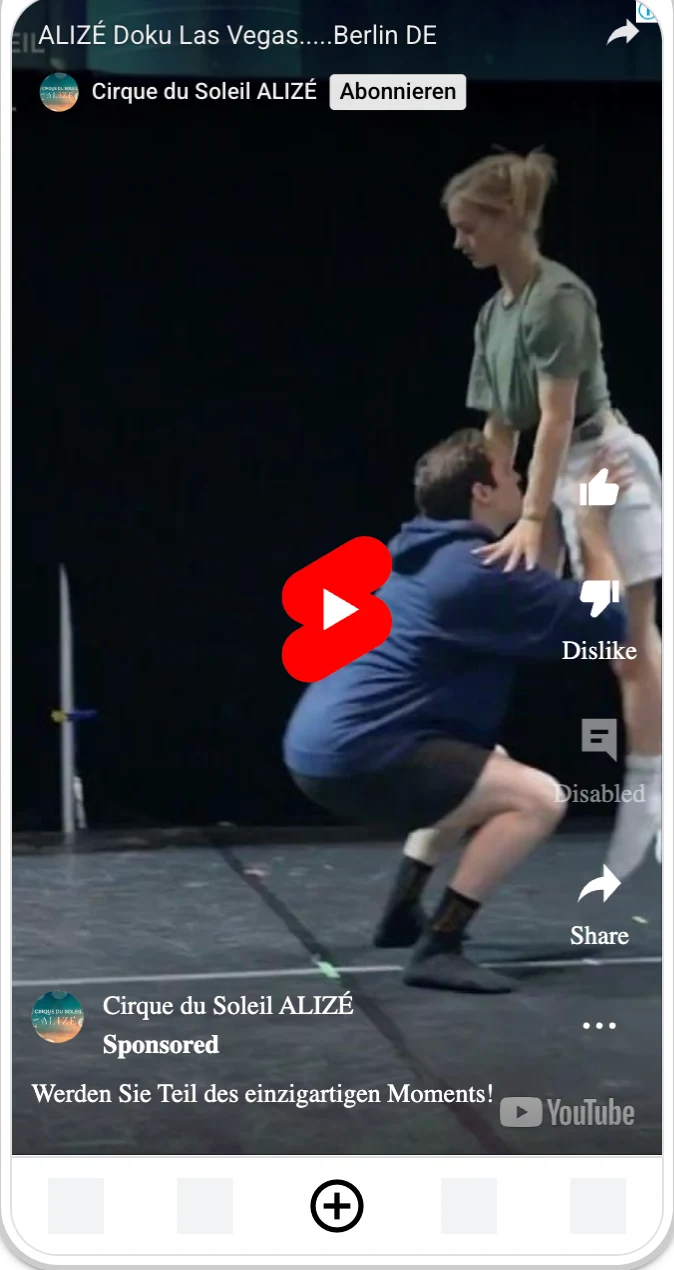
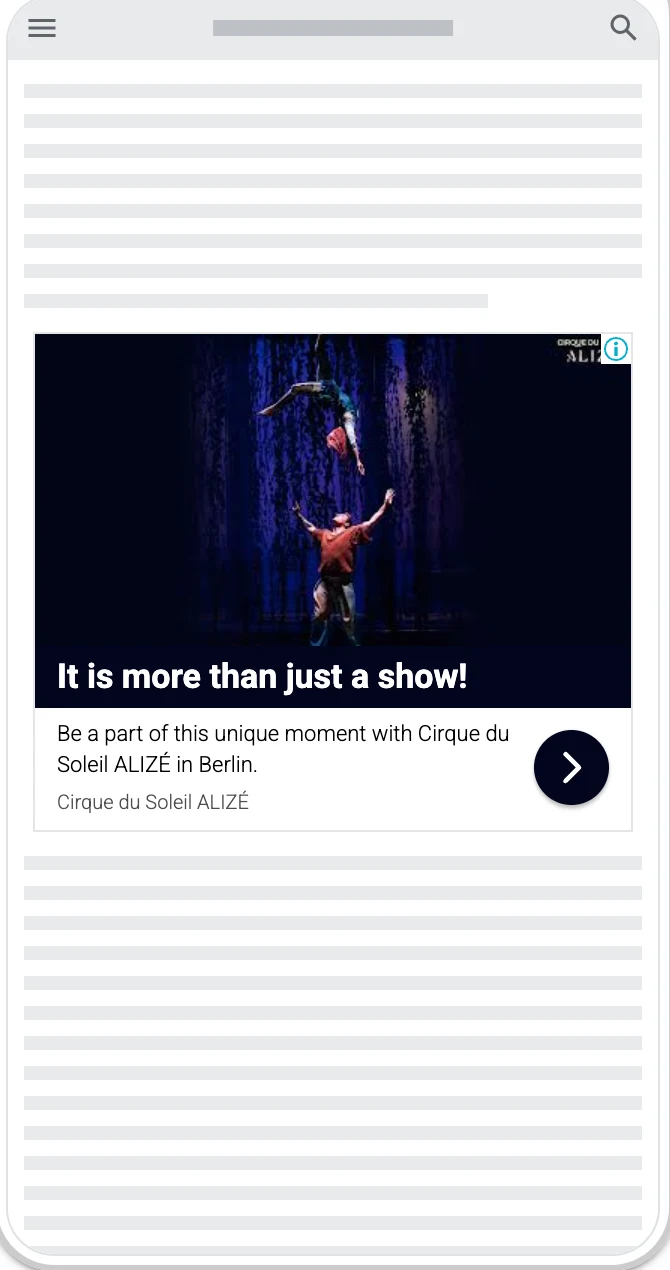
Every ad placement at a glance
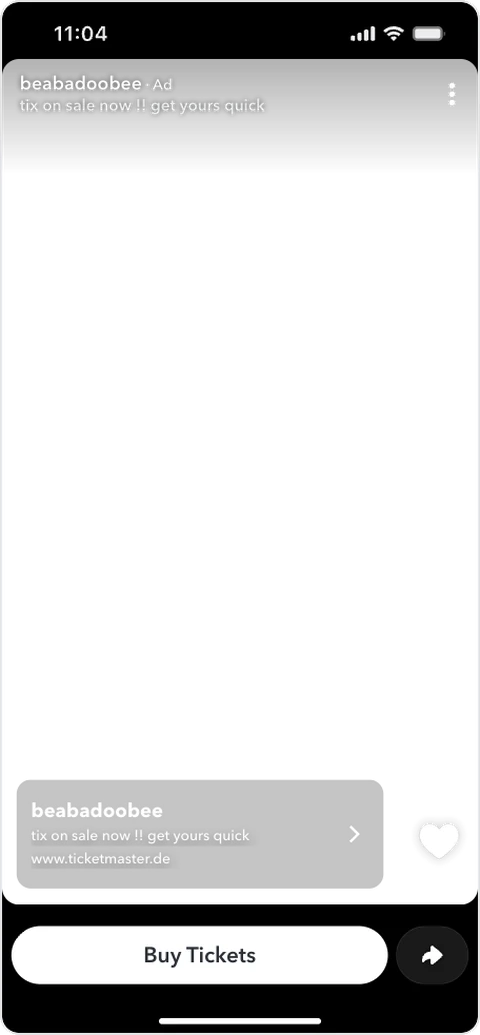
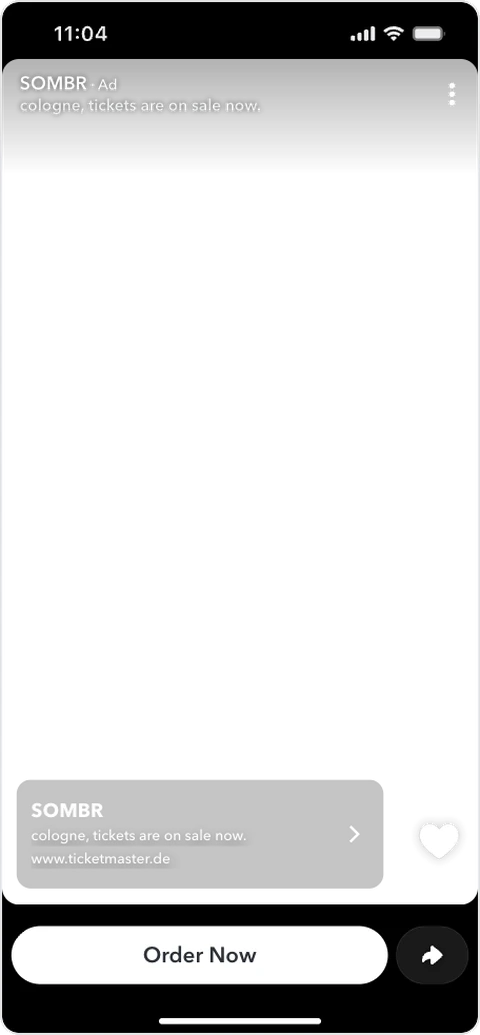
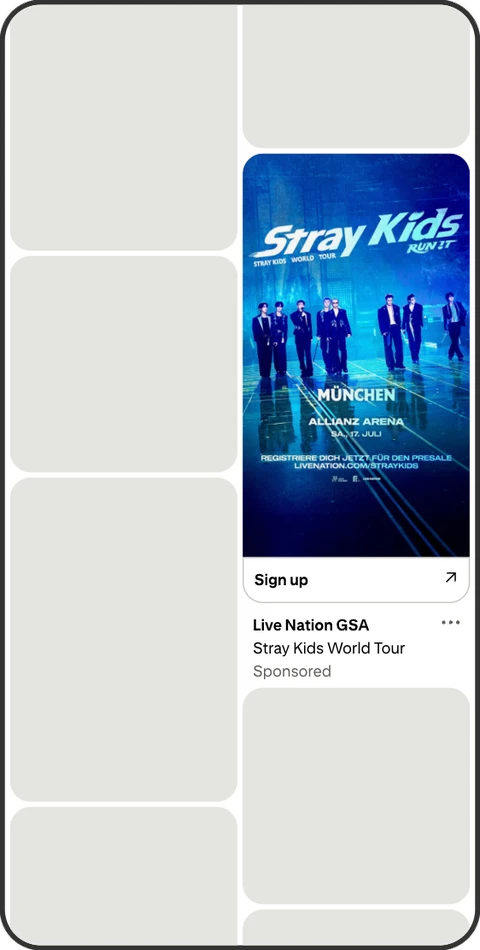
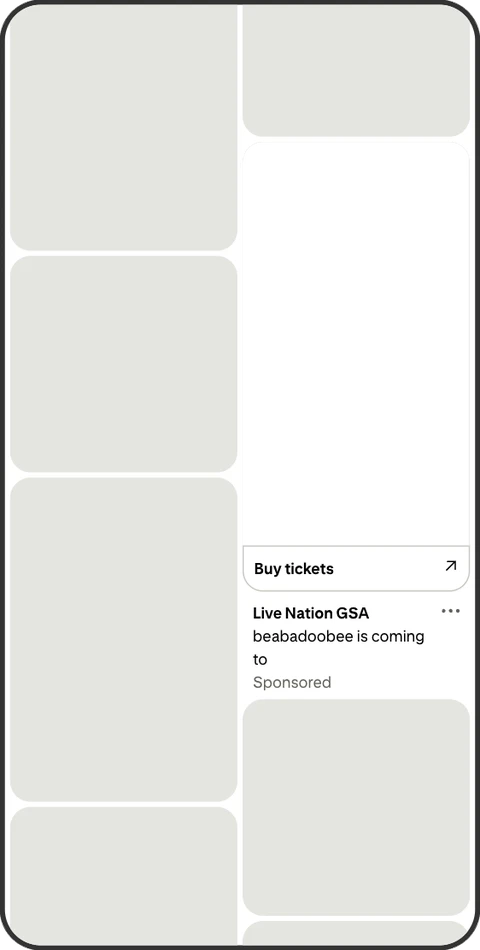
Real ads from campaigns run through NYBA OS, sorted by platform: Google and YouTube, Meta, TikTok, ChatGPT and Snapchat. Tap a platform to expand it.
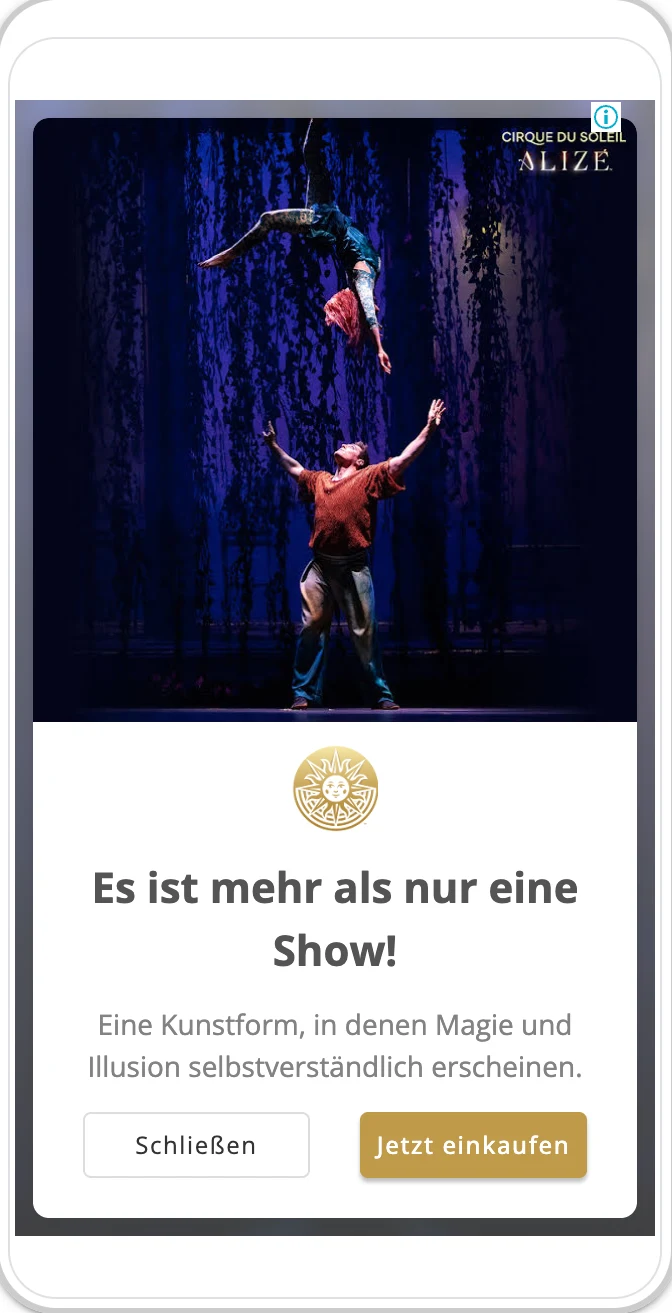


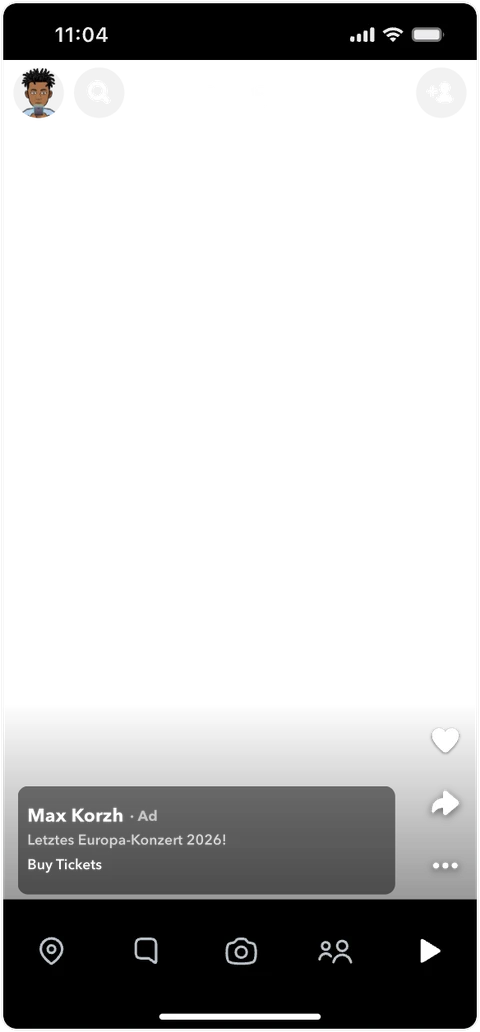
What Snapchat ads for events look like: real NYBA examples
Real previews from live Snapchat campaigns run through NYBA OS: a Spotlight video ad and full-screen video ads between Stories, each with a direct ticket button.
What Pinterest ads for events look like: real NYBA examples
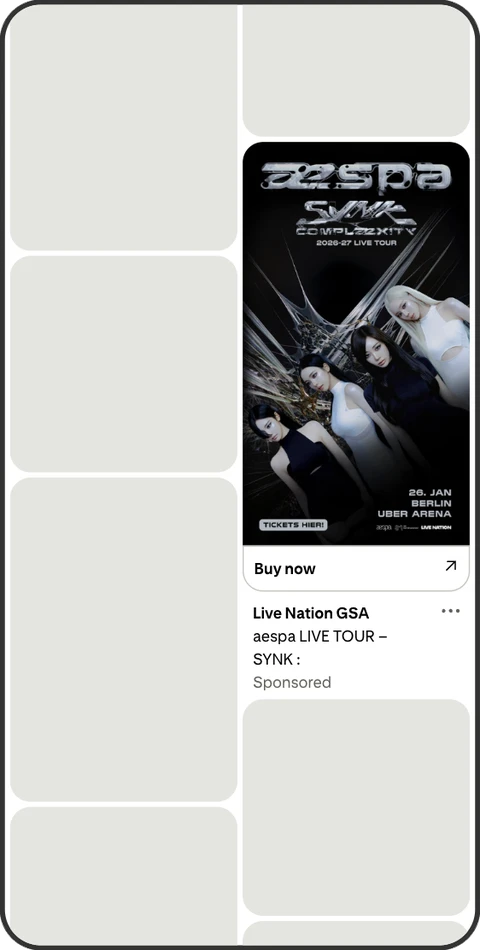
Real previews from live Pinterest campaigns run through NYBA OS: standard pins and video pins in the home feed, each with a direct ticket button.
What Reddit ads for events look like: real NYBA examples
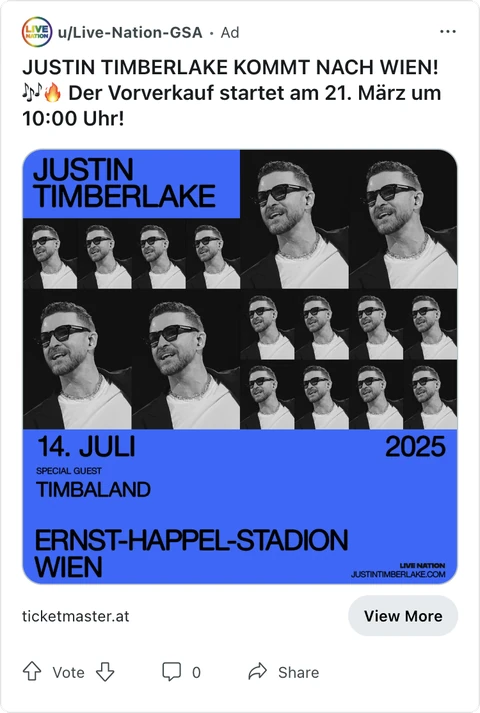
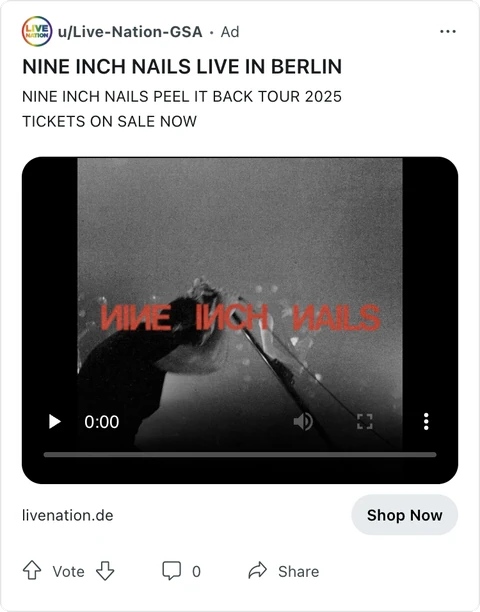
Real ads from live Reddit campaigns run through NYBA OS: an image ad and a video ad in the feed, each with a direct ticket button.
Depending on the type of event, NYBA runs this differently: concert and tour marketing, festival marketing and theatre marketing.

What would 3x more
revenue mean for you?
Find out:
