



In recent years, Instagram has become one of the most popular social networks in the world. Many people use the platform not only to share their pictures and stories, but also to shop and to find out about products and services. As Instagram has grown in popularity, advertising on the platform has become more important too. But in what form does advertising have to be labelled, and who is responsible for labelling it?
The basic rule is this: anyone who wants to advertise on Instagram must make sure that their advertising is labelled as such. This matters not only for ethical reasons, it is also required by law. Labelling advertising is a legal obligation that exists in many countries, including Germany. Under German law, the labelling of advertising is governed by § 5a of the Act Against Unfair Competition (UWG). According to this provision, advertising content must be labelled as such so that consumers are not misled. The label must be so clear and distinct that consumers can see straight away that they are looking at advertising.
On Instagram, labelling advertising is particularly relevant because many influencers and brands work with what is known as "sponsored content". These are posts for which the creator is paid by the brand or company. This content must be labelled as advertising because the creator gains a financial benefit from it. There are several ways to label advertising on Instagram. One option is to include the hashtag #Werbung or #Anzeige (the German terms for advertising) in the caption. Alternatively, you can use the "Paid partnership with..." feature that Instagram provides. This tags the partner directly in the post, and a "Paid partnership" label appears above the image.
In every case, it is important that the advertising label is clearly visible and not hidden. Hidden advertising can not only have legal consequences, it can also damage followers' trust in the person who created the post.
Real ChatGPT ads from NYBA campaigns, with results
NYBA has been running ChatGPT ads for live events in Germany since the launch in August 2026. Two examples, shown the way they appear inside the ChatGPT answer, with their first results:
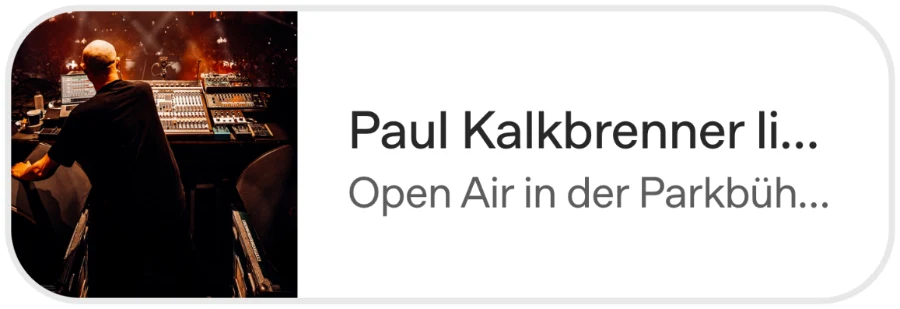
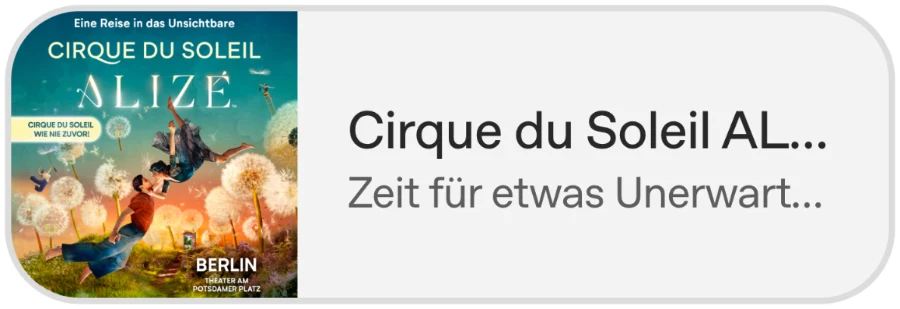
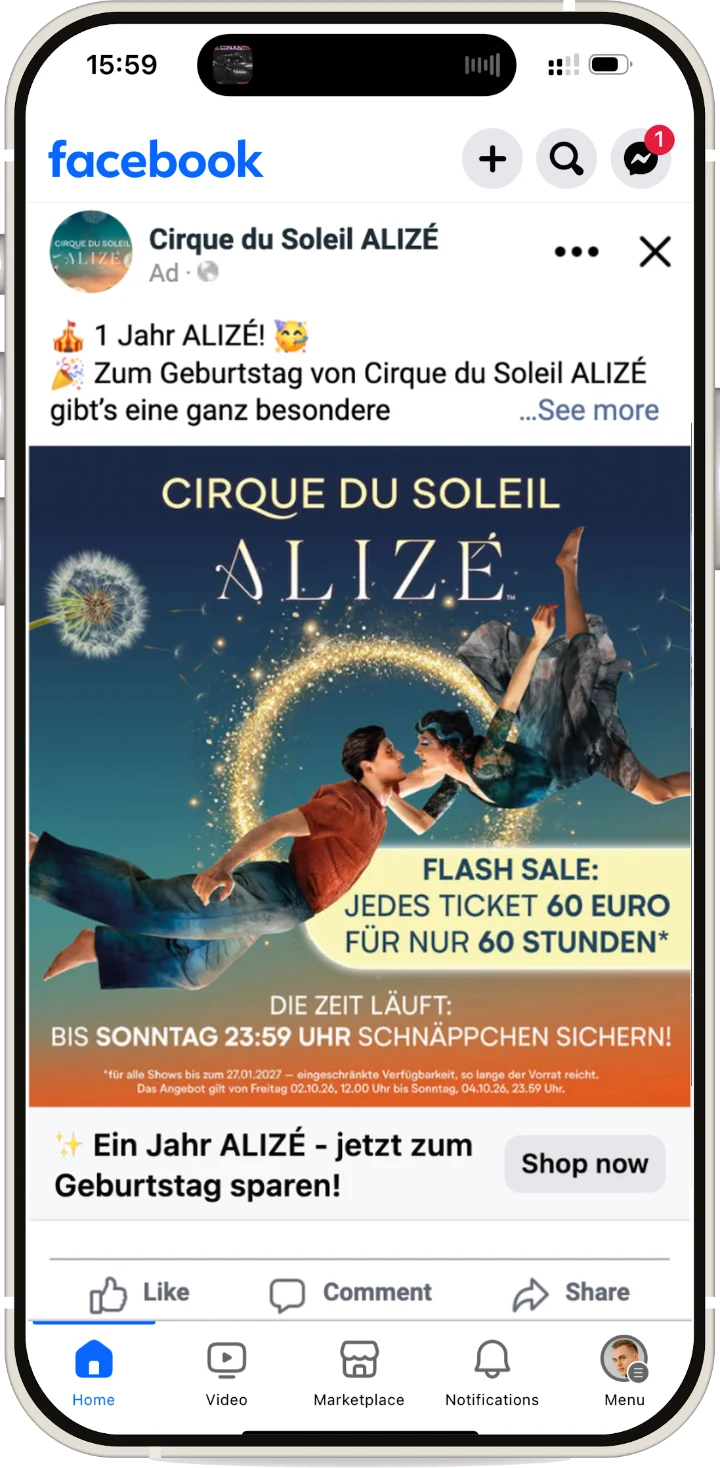
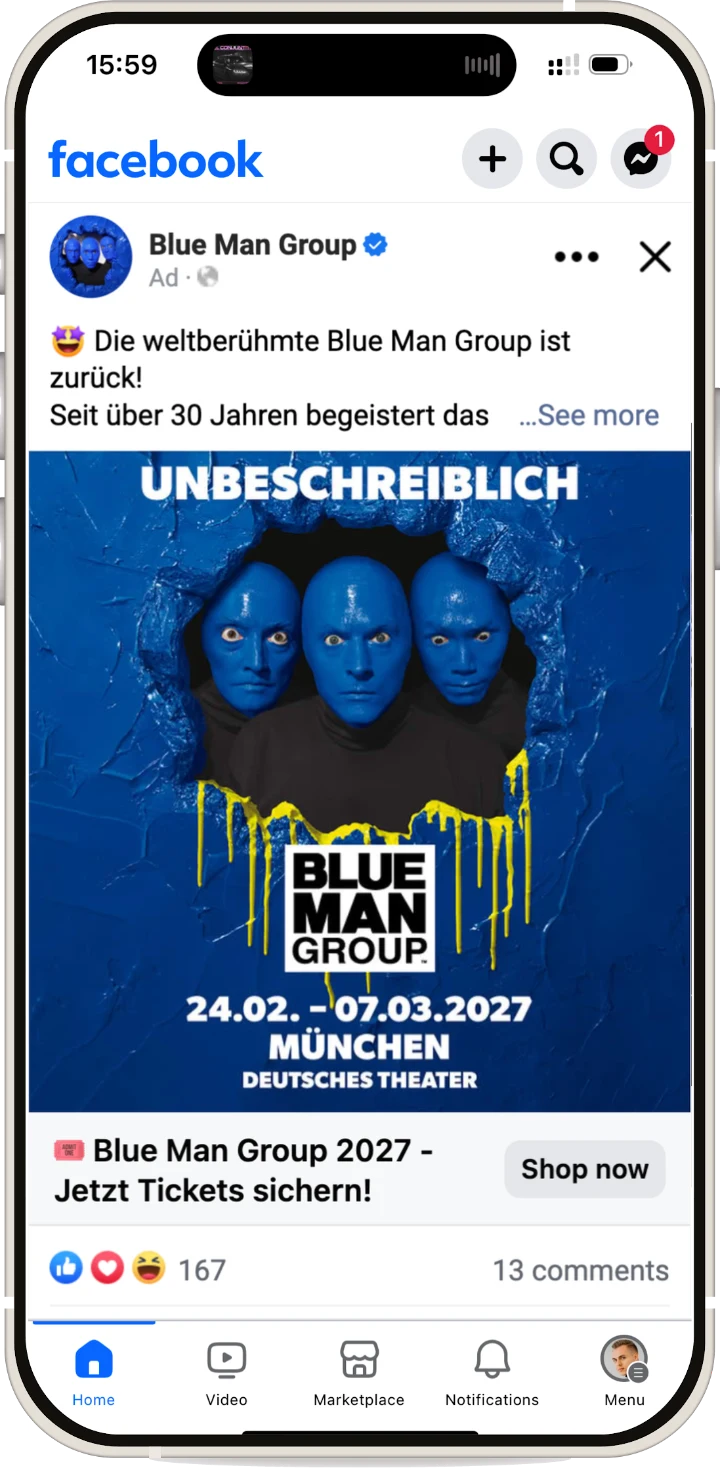
What Meta ads for events look like: real NYBA examples
Three ads from live campaigns run through NYBA OS, shown the way fans see them on Facebook and Instagram: two feed ads and a video ad.
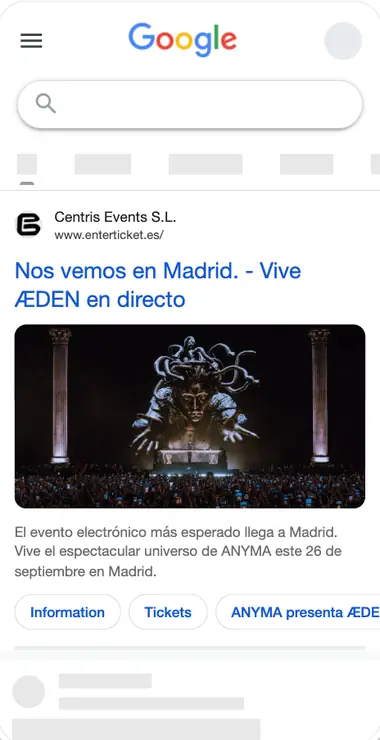
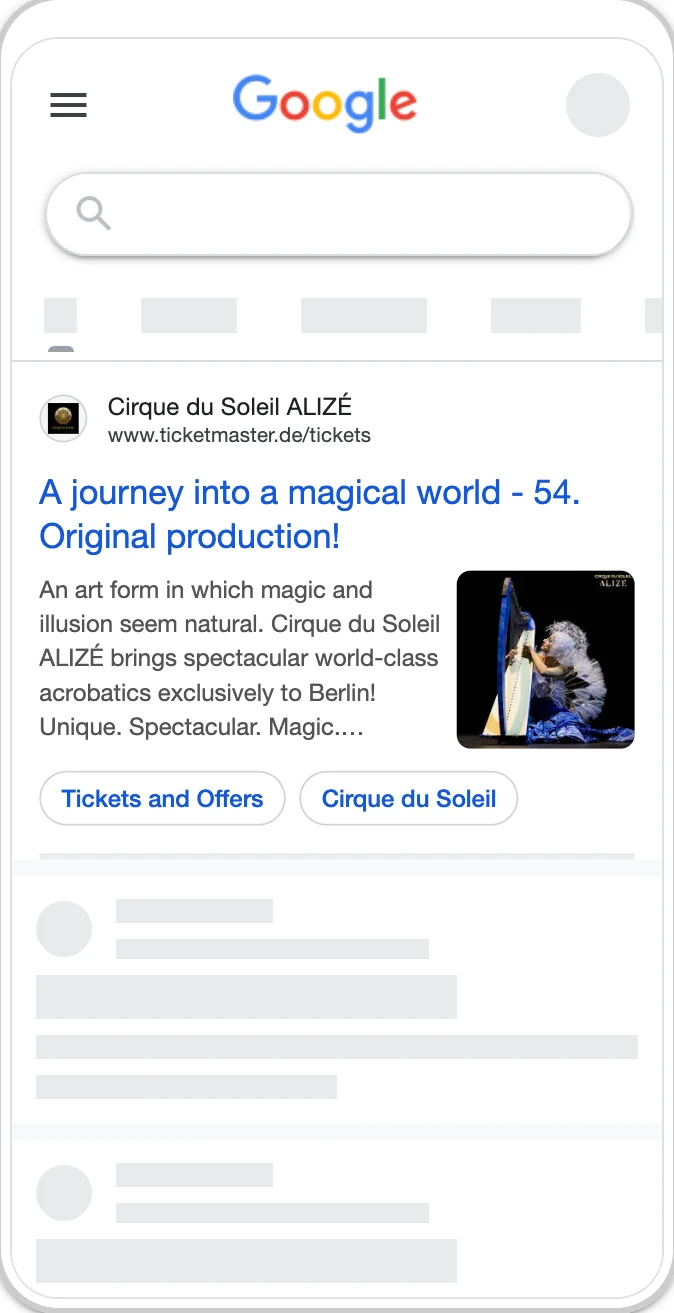
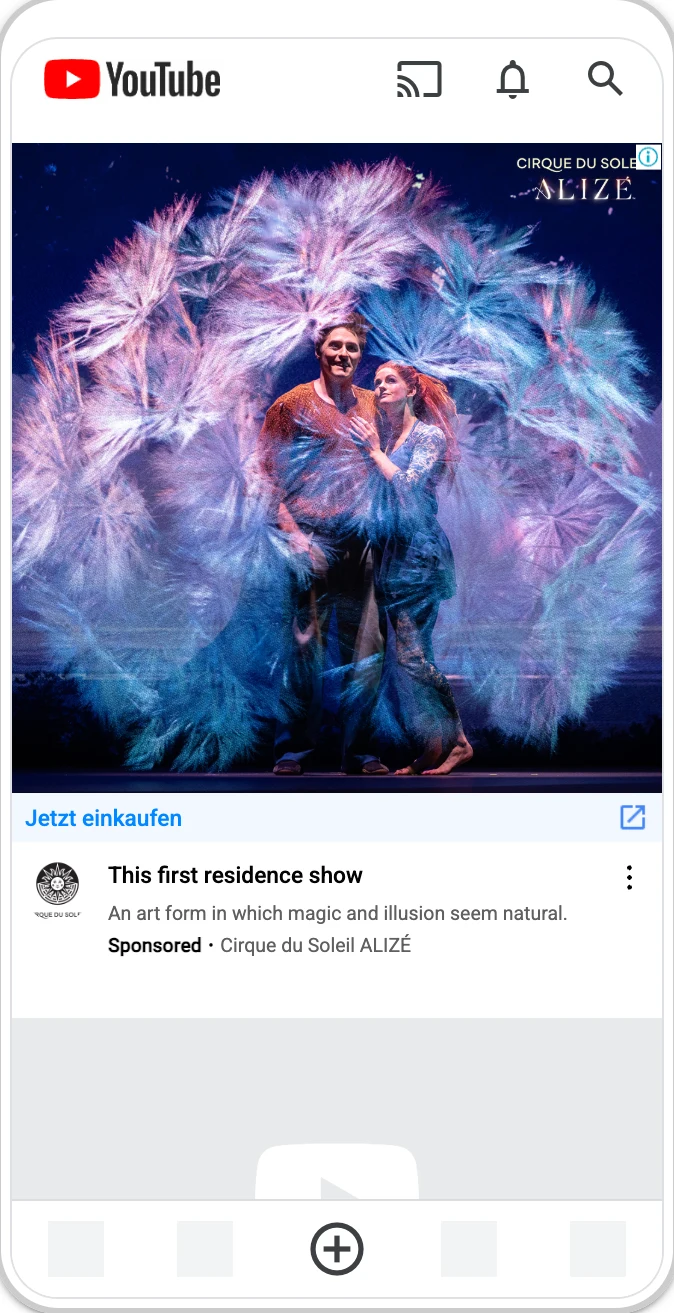
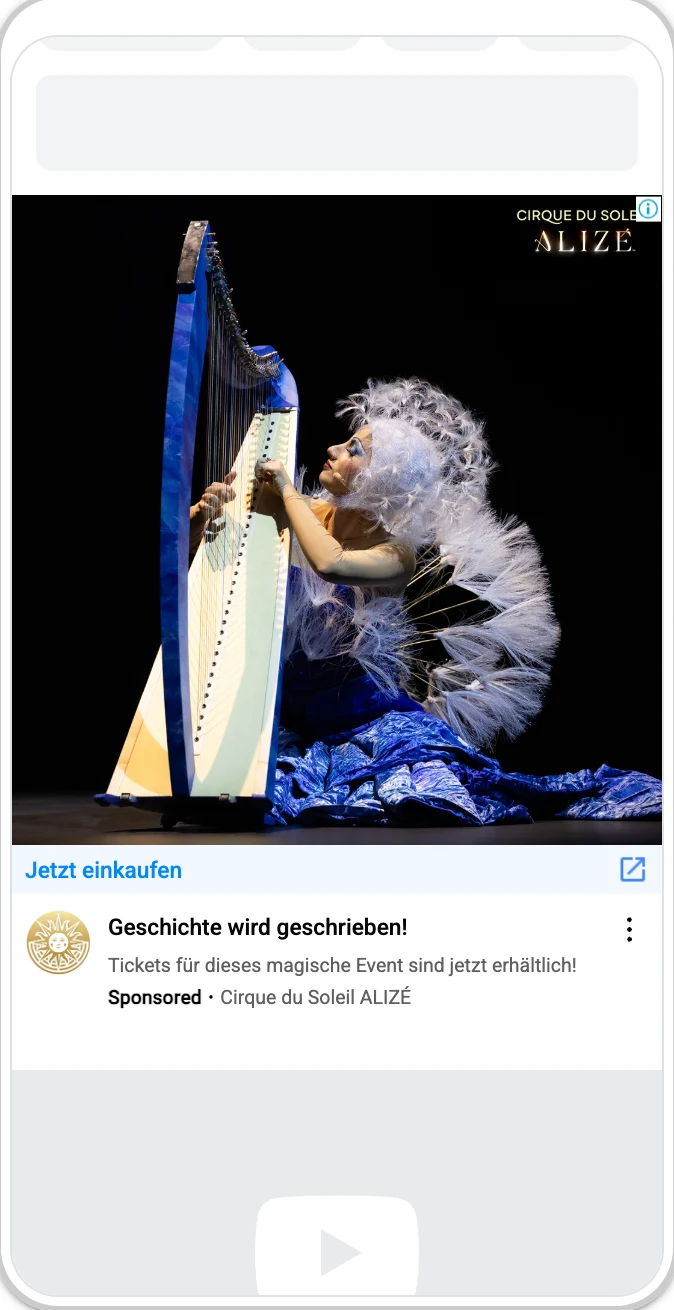
What Google ads for events look like: real NYBA examples
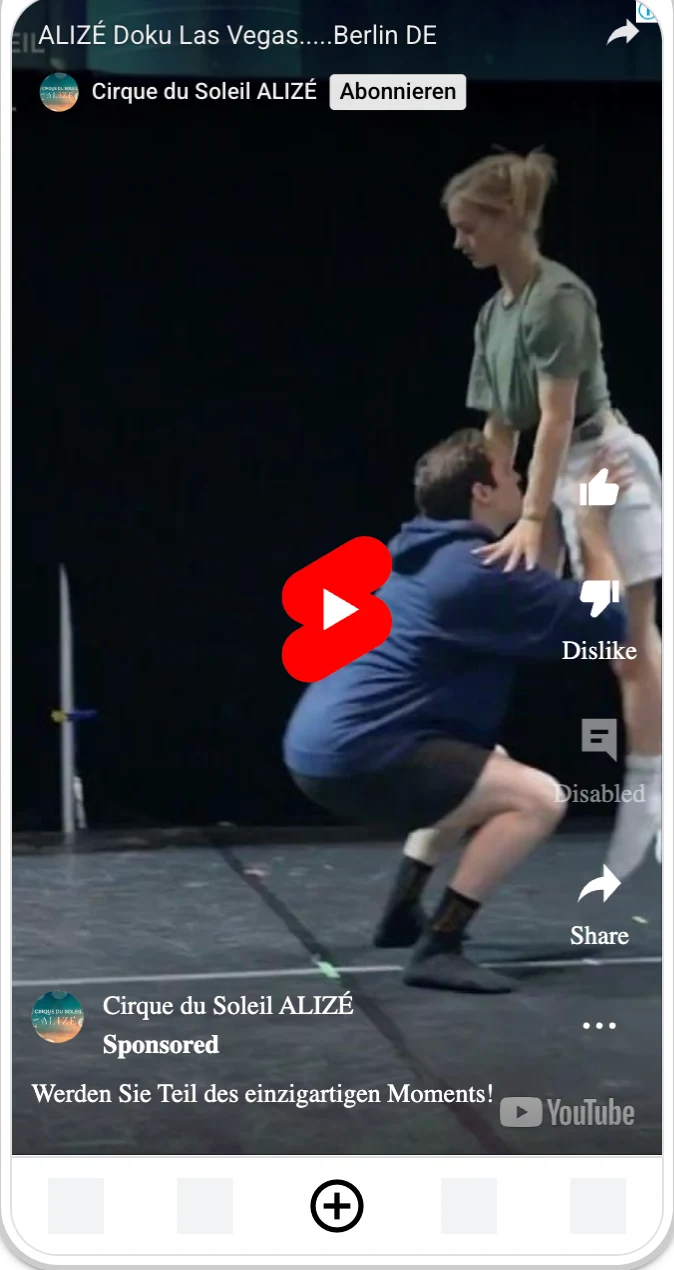
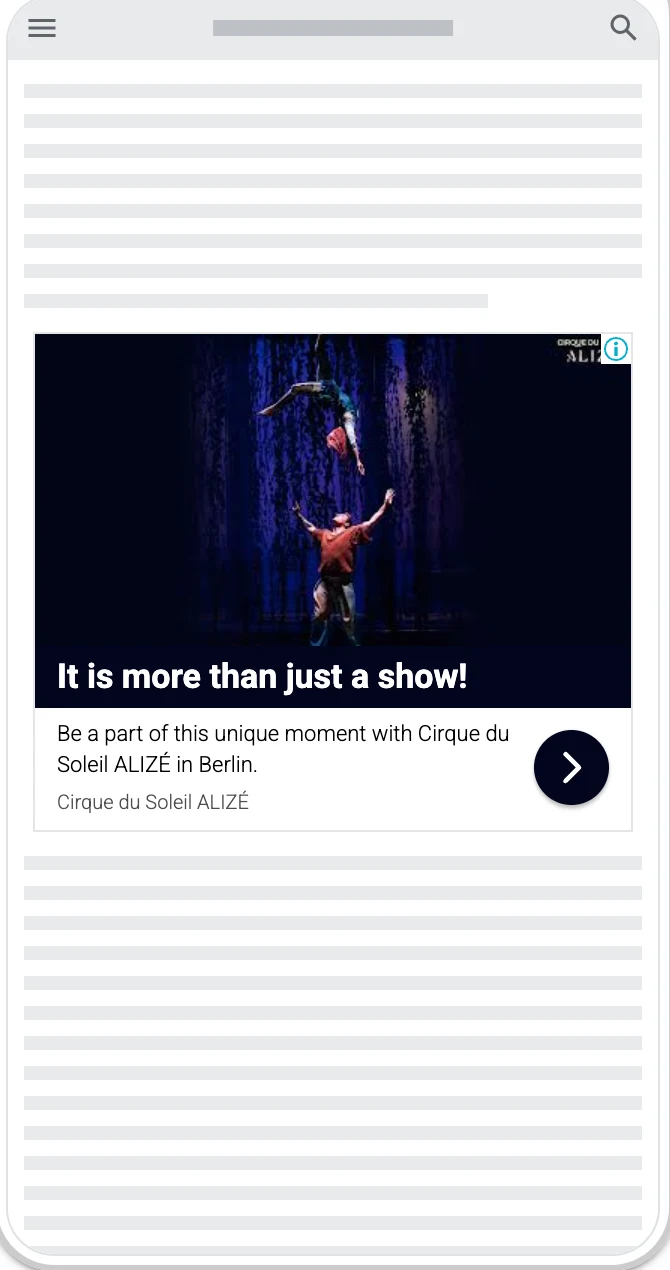
Real previews from live Google Ads campaigns run through NYBA OS: search ads with image, Performance Max in the YouTube feed, in Discover and on the Display network, and YouTube Shorts. One Performance Max asset group feeds all of these placements.
Every ad placement at a glance
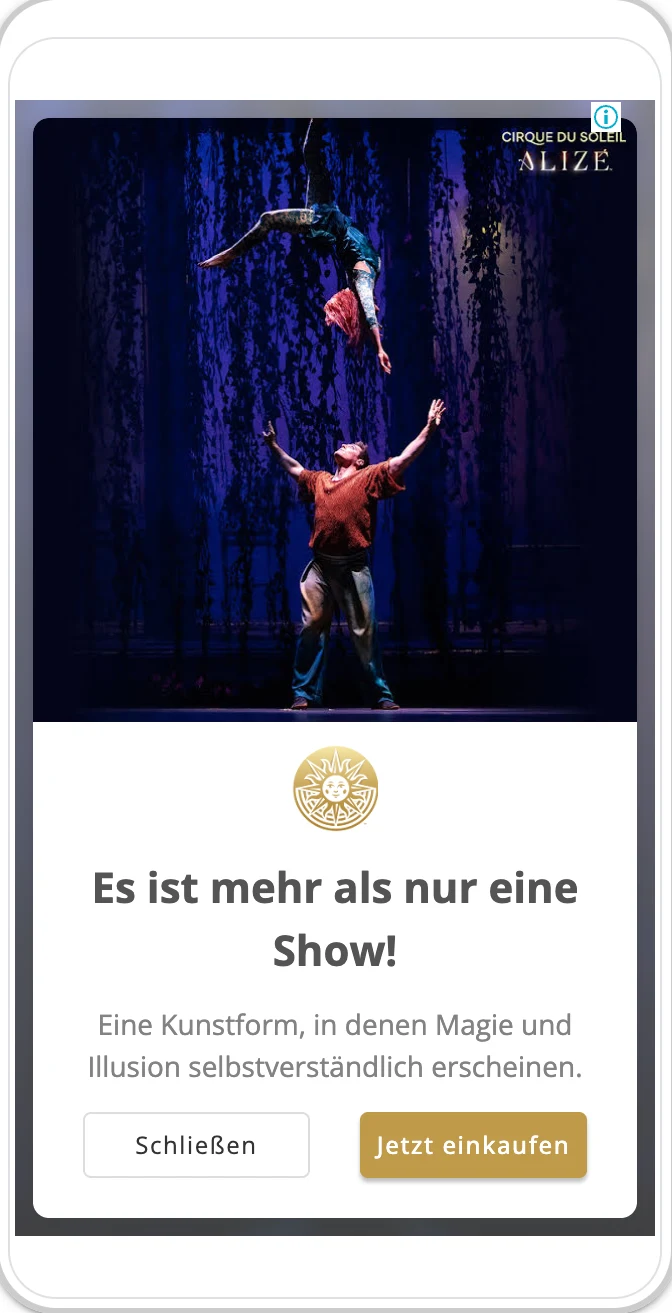
Real ads from campaigns run through NYBA OS, sorted by platform: Google and YouTube, Meta, TikTok, ChatGPT and Snapchat. Tap a platform to expand it.


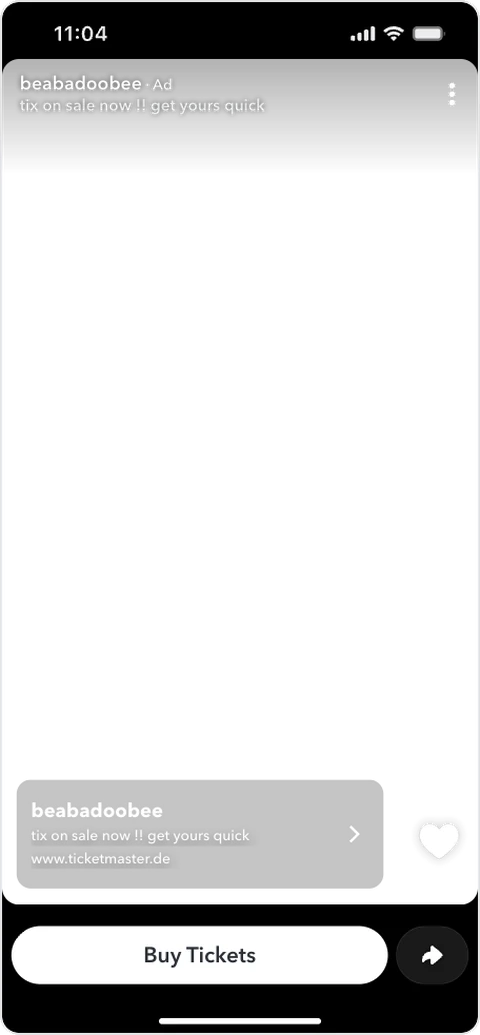
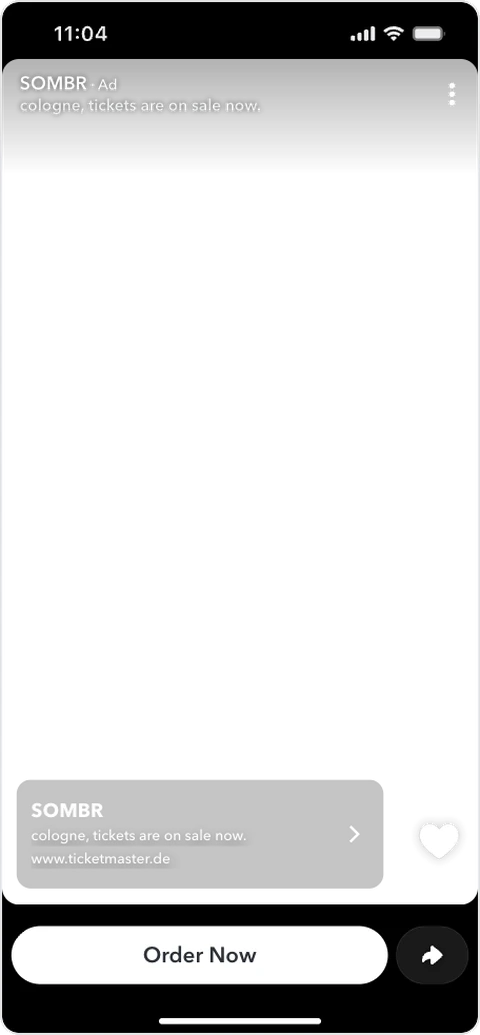
What Snapchat ads for events look like: real NYBA examples
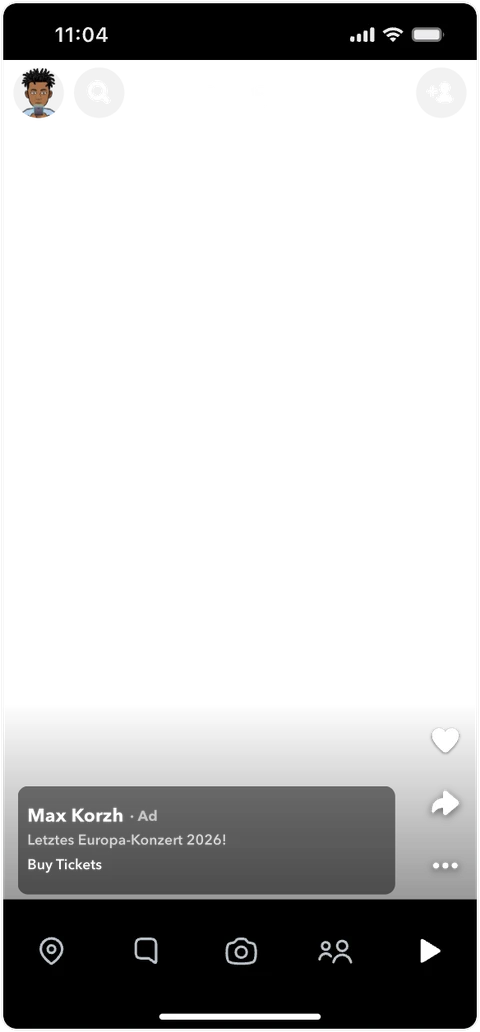
Real previews from live Snapchat campaigns run through NYBA OS: a Spotlight video ad and full-screen video ads between Stories, each with a direct ticket button.
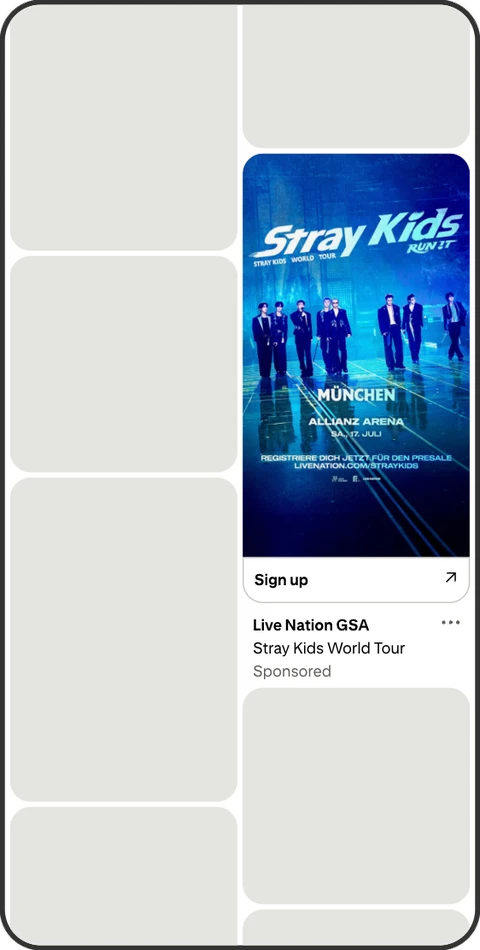
What Pinterest ads for events look like: real NYBA examples
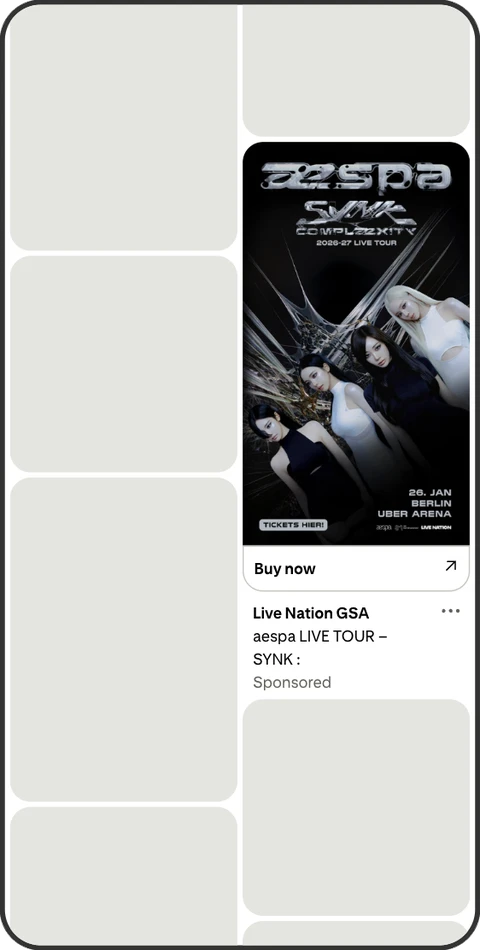
Real previews from live Pinterest campaigns run through NYBA OS: standard pins and video pins in the home feed, each with a direct ticket button.
What Reddit ads for events look like: real NYBA examples
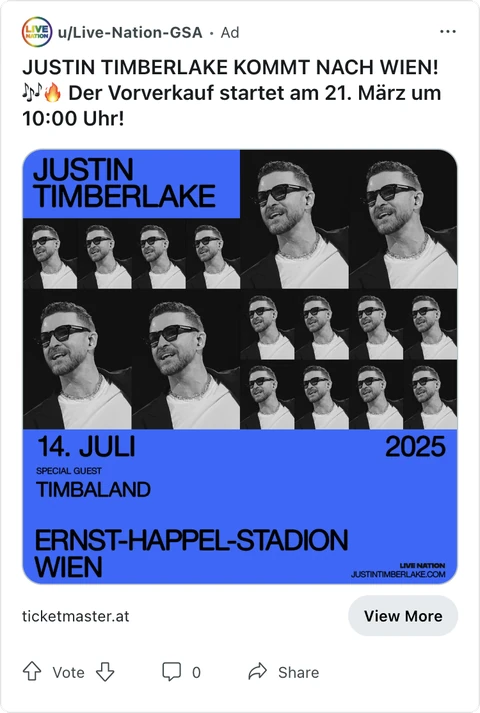
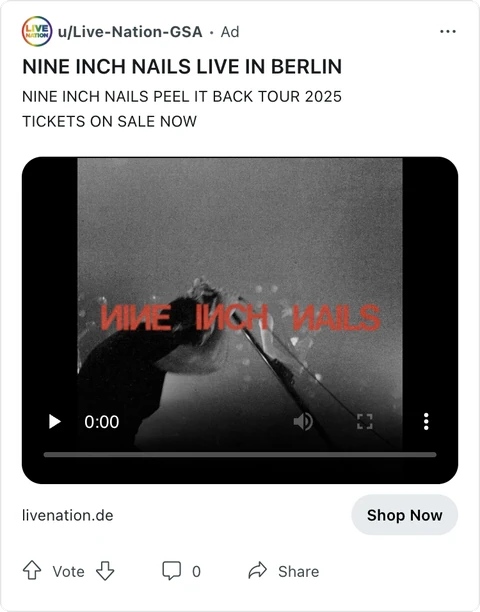
Real ads from live Reddit campaigns run through NYBA OS: an image ad and a video ad in the feed, each with a direct ticket button.
Depending on the type of event, NYBA runs this differently: concert and tour marketing, festival marketing and theatre marketing.

What would 3x more
revenue mean for you?
Find out:
